
 By
By 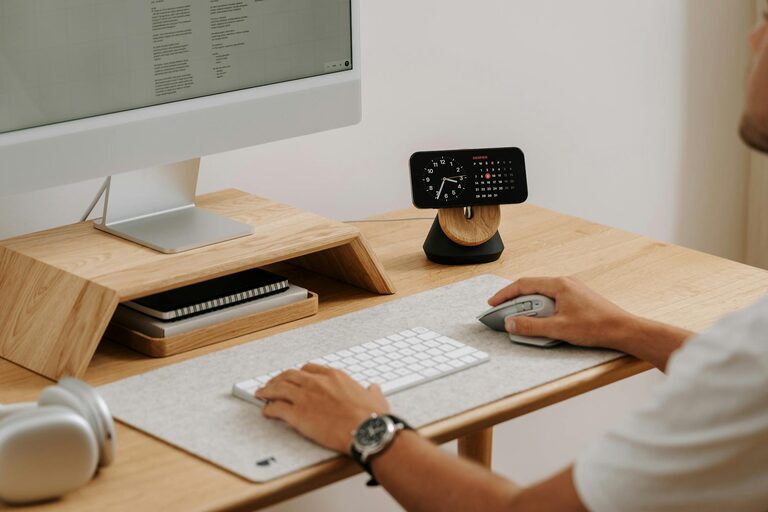
Creating a productive home office environment is essential for anyone working remotely or managing tasks from home. A well-organised and thoughtfully designed workspace can improve focus, reduce stress, and help separate work from personal life. Whether you’re setting up a brand new office or improving your current space, these tips will guide you to create an environment where productivity thrives.
Choose the Right Space
Find a Quiet, Dedicated Area
Selecting the right location for your home office is the first step. Ideally, choose a room or corner with minimal distractions. A quiet area away from household noise, television, and busy corridors will help you concentrate better.
Consider Natural Light
Natural light not only reduces eye strain but also boosts mood and energy levels. Position your desk near a window if possible. If natural light is limited, invest in good quality, adjustable lighting that mimics daylight.
Invest in Comfortable and Functional Furniture
Select an Ergonomic Chair
Comfort is key for long hours at your desk. An ergonomic chair that supports your back and encourages good posture can prevent discomfort and reduce fatigue.
Choose a Desk That Fits Your Needs
Your desk should be large enough to accommodate your computer, paperwork, and any other tools you use daily. Adjustable desks that allow you to alternate between sitting and standing are excellent for health and productivity.
Organise Your Workspace Efficiently
Declutter Regularly
A cluttered workspace can be distracting and stressful. Keep only the essentials on your desk and allocate space for organising papers, stationery, and devices.
Use Storage Solutions
Invest in shelves, filing cabinets, or drawer organisers to keep your office tidy. Labelled boxes or trays can make it easier to locate items quickly.
Optimise Technology and Equipment
Ensure Reliable Internet Connection
A fast and stable internet connection is vital for video calls, research, and downloading files. Consider upgrading your router or using a wired connection for better performance.
Use Quality Equipment
A good computer, monitor, keyboard, and mouse can improve your efficiency and reduce physical strain. Noise-cancelling headphones are helpful if your home environment is noisy.
Create a Personal Yet Professional Atmosphere
Add Personal Touches
Decorate your home office with items that inspire and motivate you, such as plants, artwork, or photos. These touches can make your space more inviting and enjoyable.
Maintain a Professional Appearance
If you frequently participate in video calls, ensure your background is tidy and neutral. Proper lighting for video conferencing also helps present a professional image.
Manage Time and Minimise Distractions
Set Clear Working Hours
Establish regular working hours to create boundaries between job responsibilities and home life. Communicate these hours to family members to minimise interruptions.
Use Productivity Techniques
Try methods like the Pomodoro Technique, where you work for focused intervals followed by short breaks. This can help maintain concentration and prevent burnout.
Limit Digital Distractions
Turn off non-essential notifications on your devices during work hours. Consider apps and browser extensions that block distracting websites temporarily.
Maintain Good Health Habits
Take Regular Breaks
Short breaks to stretch, walk, or rest your eyes can refresh your mind and body. Avoid sitting continuously for long periods.
Stay Hydrated and Eat Healthily
Keep a water bottle at your desk and choose nutritious snacks to maintain energy levels throughout the day.
Review and Adjust Regularly
Your ideal home office may evolve over time. Periodically assess what’s working and what isn’t. Adjust your setup, routines, and tools to better support your changing needs.
—
Creating a productive home office environment is about balancing comfort, organisation, and functionality. By making thoughtful choices and maintaining healthy habits, you can transform your space into a place where you enjoy working and achieve your goals efficiently.