
 By
By 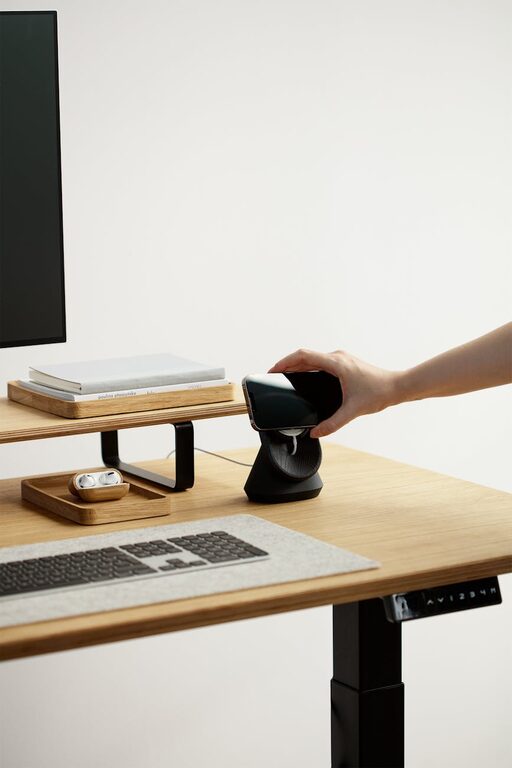
Creating a home workspace that is both relaxing and productive can significantly improve your work-from-home experience. Whether you are working remotely full-time or occasionally, the environment where you spend your working hours plays an important role in your focus, mood, and efficiency.
In this post, we will explore simple but effective tips to help you design a home workspace that encourages productivity without compromising relaxation.
1. Choose the Right Location
Start by picking the ideal spot for your workspace. Consider a quiet area away from distractions, such as television or busy family areas.
– Natural Light: Choose a spot near a window if possible. Natural light helps reduce eye strain and boosts your mood.
– Privacy: Look for a place where you can work comfortably and uninterrupted.
– Space: Ensure there is enough room for your desk, chair, and necessary equipment.
2. Invest in Comfortable and Supportive Furniture
Your comfort is crucial, especially if you spend long hours working. Ergonomic furniture can prevent discomfort and health problems like back pain.
– Ergonomic Chair: Select a chair that supports your lower back and allows your feet to rest flat on the floor.
– Desk Height: Your desk should be at a height where your arms rest comfortably at about 90 degrees while typing.
– Standing Desk Option: Consider a sit-stand desk to alternate between sitting and standing.
3. Keep Your Workspace Organised
An organised workspace reduces distractions and mental clutter.
– Declutter Regularly: Remove items not related to your work to maintain focus.
– Storage Solutions: Use shelves, drawers, or organisers to keep paperwork and stationery tidy.
– Digital Organisation: Keep your computer desktop and files orderly to save time.
4. Personalise Your Space
Adding personal touches can make your workspace inviting and pleasant.
– Plants: Indoor plants improve air quality and add a calming natural element.
– Art and Decor: Display prints or items that inspire you without overwhelming the space.
– Comfort Items: A cosy throw or a cushion can add comfort, especially in colder months.
5. Manage Lighting Effectively
Good lighting is essential for comfort and productivity.
– Natural Lighting: Use daylight as much as possible, but avoid glare on screens.
– Task Lighting: A desk lamp with adjustable brightness helps when natural light is insufficient.
– Avoid Harsh Lights: Choose warm or neutral light tones to reduce eye strain.
6. Control Noise Levels
Noise can be distracting but manageable with the right strategies.
– Quiet Environment: Use a room where external noise is minimal.
– Noise-Cancelling Headphones: They’re useful if you cannot control background sounds.
– Soft Materials: Rugs, curtains, and cushions absorb sound and reduce echo.
7. Maintain Good Air Quality and Temperature
Comfort isn’t just about furniture; air quality and temperature matter too.
– Ventilation: Open a window or use an air purifier to keep the air fresh.
– Temperature Control: Set your workspace at a comfortable temperature to concentrate better.
8. Set Clear Boundaries for Work and Rest
Separating work time from relaxation helps maintain work-life balance.
– Designated Work Hours: Keep consistent work times to avoid burnout.
– End-of-Day Ritual: Close your workstation or tidy your desk at the end of the day to signal work has ended.
– Avoid Multitasking: Use your workspace strictly for work-related activities when possible.
9. Use Technology Wisely
Technology supports productivity but should be managed carefully.
– Reliable Internet: Ensure your internet connection is stable for uninterrupted work.
– Essential Tools: Use apps and devices that aid focus, such as calendar reminders or noise apps.
– Limit Distractions: Switch off non-work-related notifications during working hours.
10. Incorporate Short Breaks
Taking short breaks throughout the day can refresh your mind.
– Movement Breaks: Stand, stretch, or take a short walk to avoid stiffness.
– Eye Care: Follow the 20-20-20 rule — every 20 minutes, look at something 20 feet away for 20 seconds.
– Relaxation Exercises: Simple breathing or mindfulness techniques can reduce stress.
—
By applying these simple tips, you can create a home workspace that not only enhances your productivity but also supports your wellbeing. Remember, small changes can have a big impact on how you feel and perform throughout your workday. Start with what suits your space and needs best, and adjust as you go along for optimal results.